You can listen to episode fifteen of “Aren’t You the Girl?” podcast here:
In the mid 1990s, Minneapolis homicides were at an all time record high. Outside of the serial killings and attacks on sex workers during this time period.
Authorities decided the cause of the influx of crime was due to the victims living and dying by the gun in logic.
Something that the victims put themselves into.
What happens if you find your mother’s case landing in the middle of the chaos?
In this episode of “Aren’t You the Girl?” I’ll be covering the homicide of Cassandra “Pumpkin” Willis and the thirty years of resilience from her daughters in the search for justice for their vibrant mother.
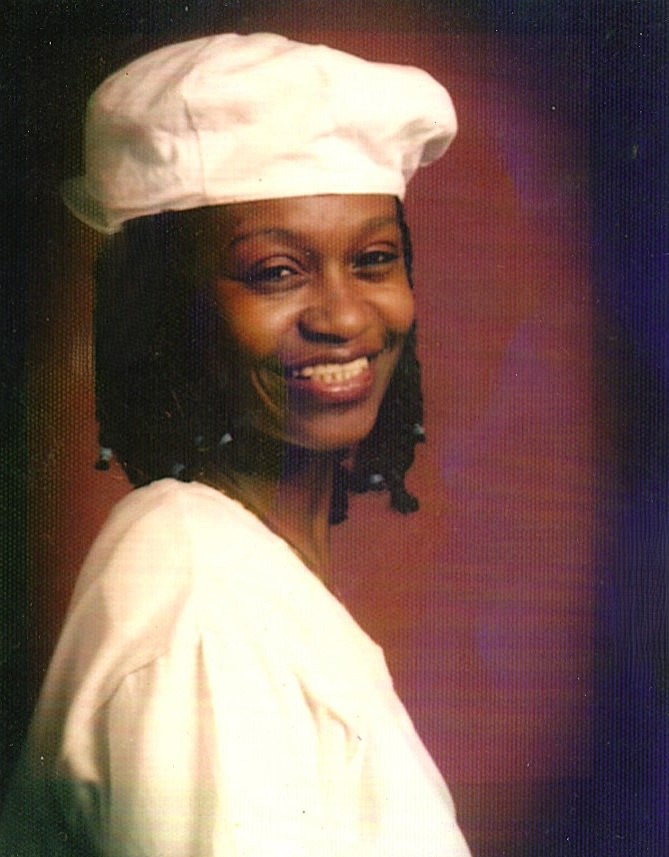
Cassandra Willis was affectionately known as “Pumpkin” and I’ll be using that name to refer to her throughout the episode.
There really is no mystery to Pumpkin’s untimely death.
Suspects in her case have been narrowed down to a few who lived in the high-rise building she was found in and without a doubt they know what happened that night.
Minneapolis police who handle her case have never released anything to the Willis family. Nothing to ease their minds or attempts to ease their pain.
On that Sunday and Monday, no security guard was on duty due to company change.
On Tuesday at 9:05am, Pumpkin’s body was found in a stairwell.
On Thursday police announced that the suspects are residents of the building.
Then, nothing.
At least nothing came from the police or media unless it was directly from her daughter’s urging.
Pumpkin had expressed fears for her safety before her death, mentioning debts and concerns about some people in the high rise building.
Many witnesses reported seeing her in the high-rise shortly before her murder, and some have come forward with information about her last known movements.
Despite these leads, her case remains unsolved, and her family continues to seek justice from a police department that is not returning their calls.
Today it’s easier to simply let that go – to have no expectations from anyone other than themselves to truly give Pumpkin the justice she has always deserved.
The police mishandlings, the broken promises and judgements of the media.
Throughout this series, my main focus is to always shine a light onto the victims who deserved so much more but were denied because of things they were doing.
They label the victim and judge them from those labels instead of learning who they truly were.
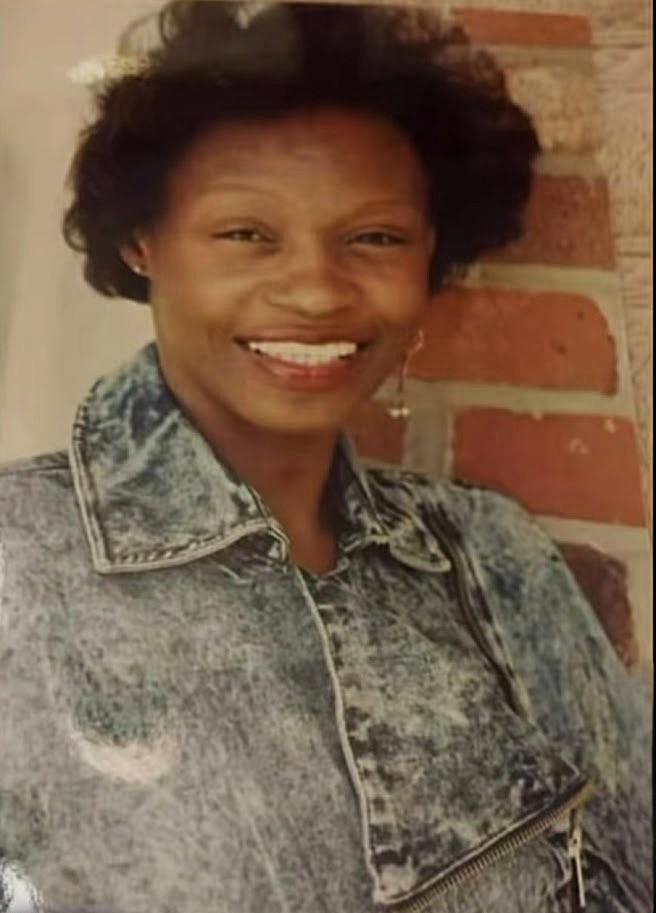
Let’s get to know Cassandra “Pumpkin” Willis.
Cassandra Willis was a 36-year-old mother of two daughters, Dee and D’Undra, living in Minneapolis.
She was originally from Kankakee, Illinois, and worked as a beautician and for a temporary services company.
She had moved to Minneapolis in 1991 with her sister Tammy Willis.
Tammy described her sister as –
“A very nice, loving, caring person that would help a person to do anything.”
Pumpkin stayed a beautician and was a social butterfly who was extremely loved by her family and friends.
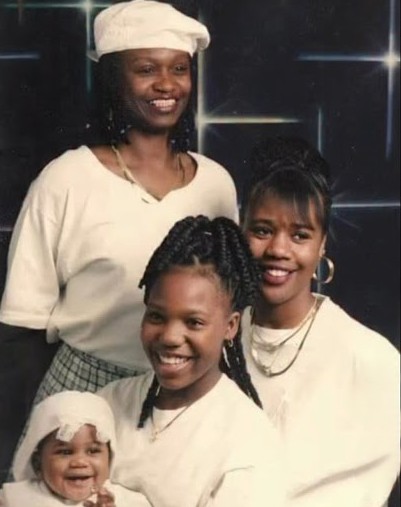
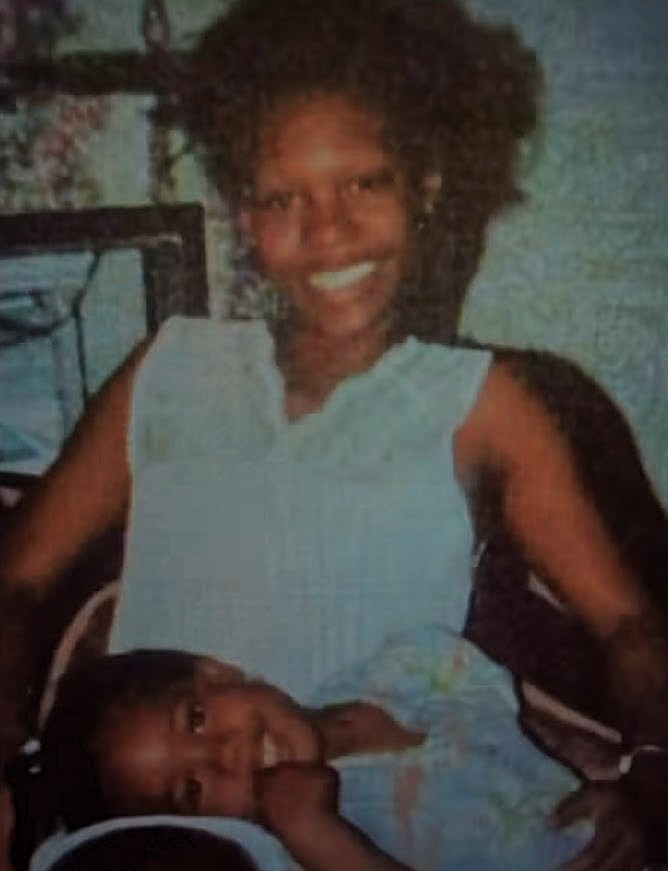
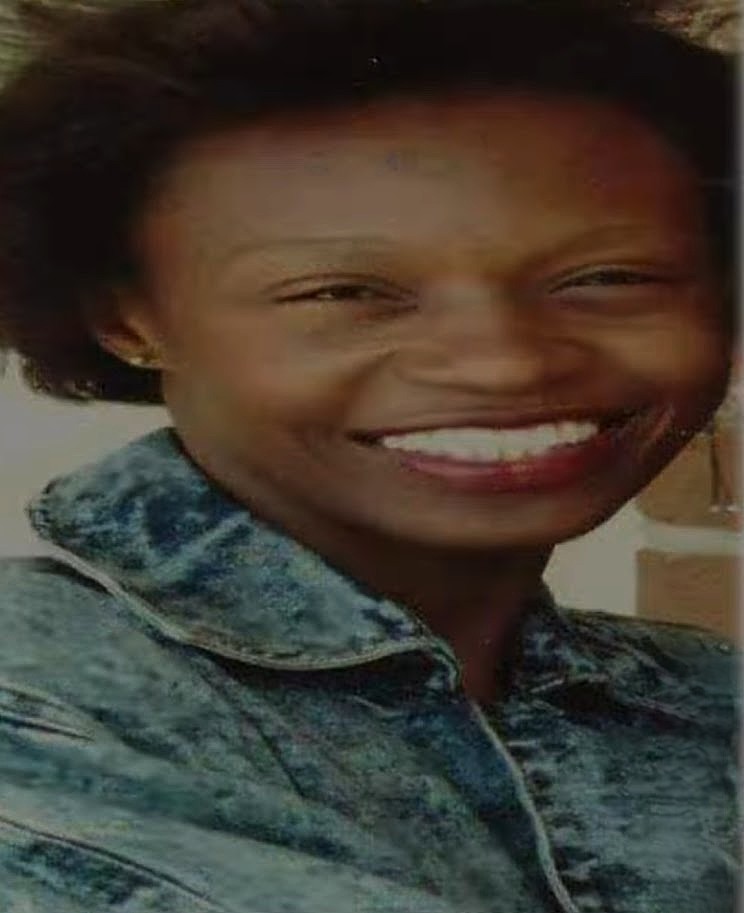
Though cliche to say – Pumpkin really lit up a room. Even just being by pictures of her, you feel the warmth and happiness that exuded from her.
“She had a free spirit, she was a social butterfly, she liked to laugh,” the sisters said. “We miss her so much, she had a gorgeous smile.”
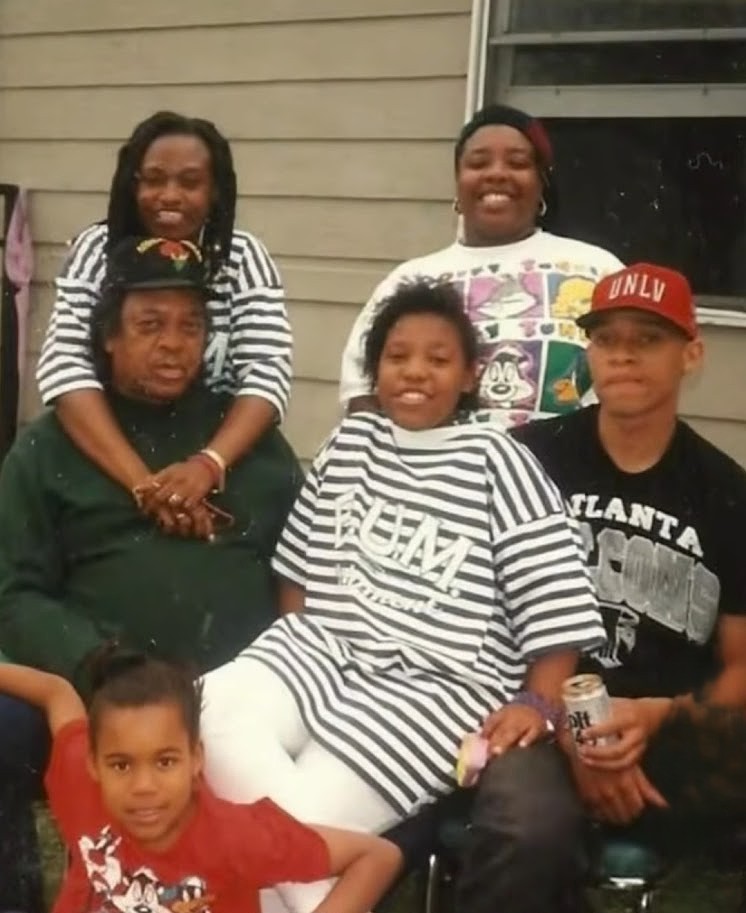
Her daughters were only 15 and 19 years old when they lost their mother.
With children of their own today, the sisters have vowed to solve their mother’s case, pleading with the public and police to bring the case to justice.
“We basically had to relive some of the details we didn’t know about.”
Dee Willis said.
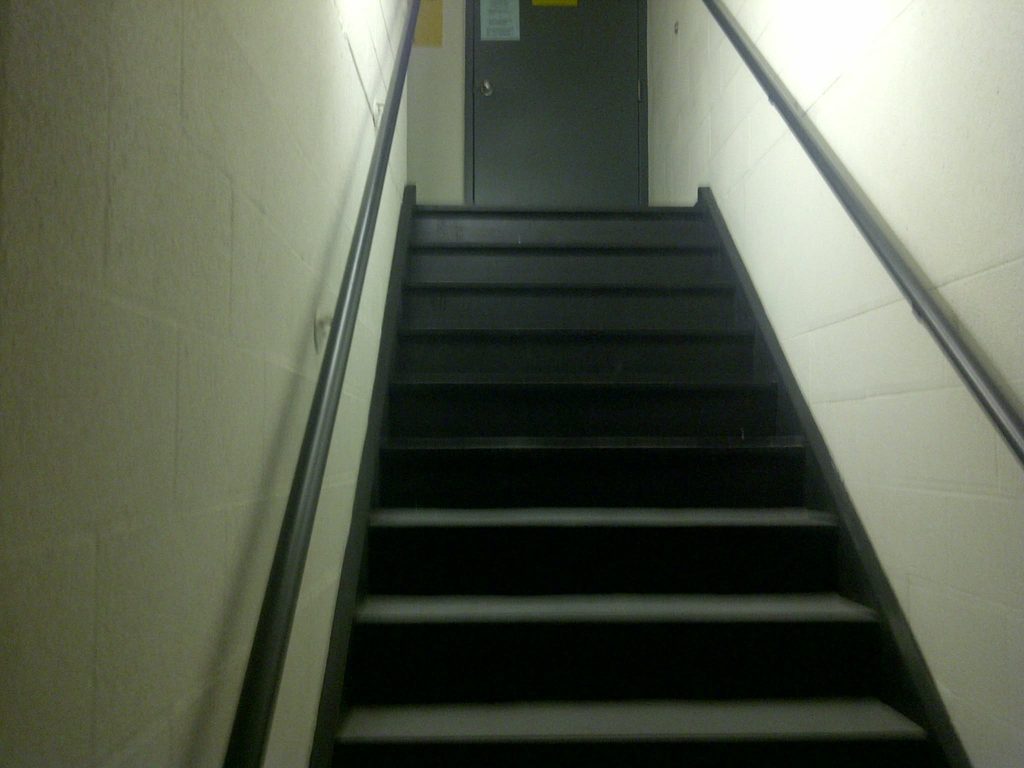
She knows her mother was killed on the building’s 12th floor. Pumpkin was wrapped in sheets and blankets, placed in a storage locker and later left between levels 8 and 9 floor stairwell.
The tragedy deeply affected her family, with her younger daughter returning to Illinois.
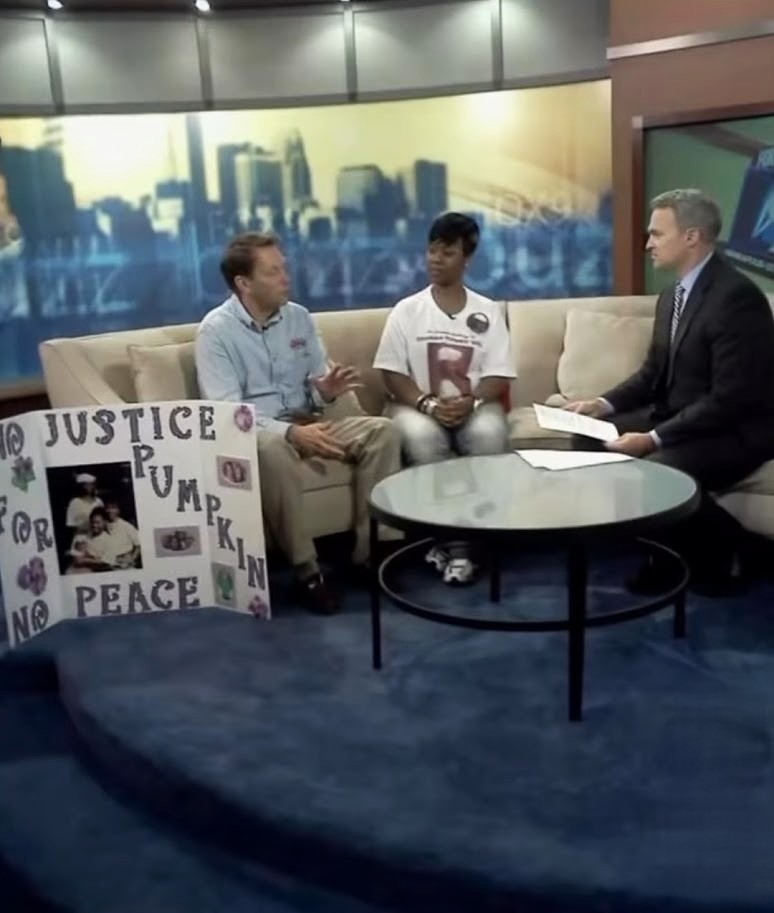
Her daughter Dee said she will never forget meeting with Lt. Zimmerman multiple times in 2011 when they decided to re-open her mothers murder.
At that time he told her,
“I hold this case near and dear to my heart, as I was one of the first officers who reported to the scene when the call came in.”
He lied to her face.
However, their problems with Minneapolis police and Pumpkin’s case started even before that promise to Dee.
Detective Wagonfield from the Minneapolis Police Department called Dee several times asking for her mother and If she knew how he could reach her. He left messages for Pumpkin stating that it was urgent that she contact him due to the fact that he was attempting to follow up on a report he received.
The Minneapolis Police Department went to her home the following day and again asked for her mother.
Then, they broke the news of her mother’s homicide.
Dee asked them if they knew her mother was dead during the first phone conversation during the night before and they did.
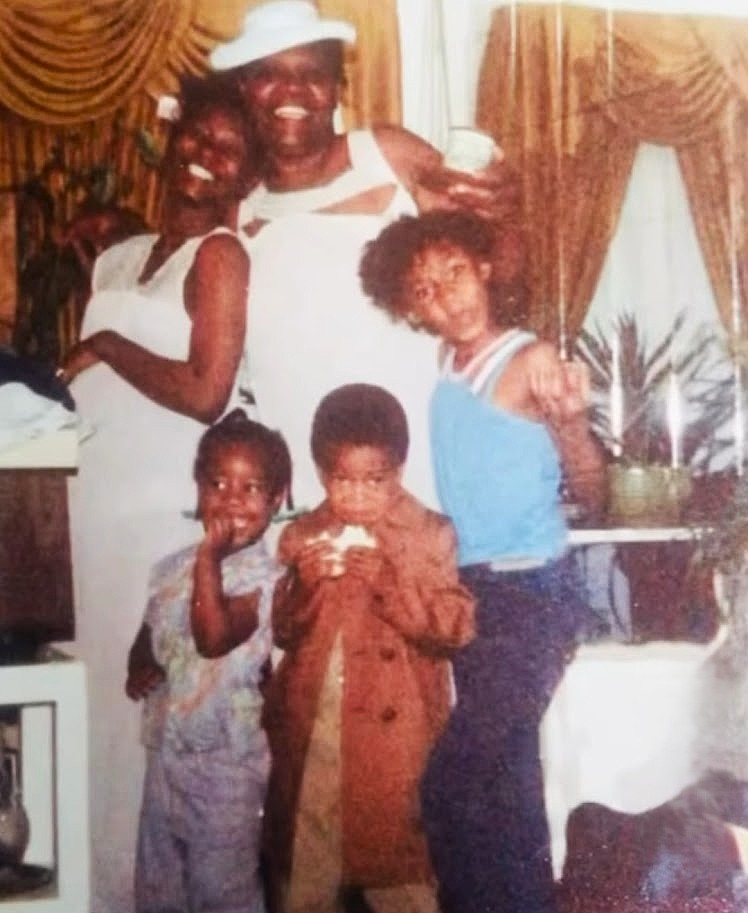
From the beginning, the actions of the police department have been concerning and nontrusting.
Minneapolis Police have since put all of the weight of solving their mothers murder on only the girls. Dee being the oldest taking the brunt of the communication and handlings with Minneapolis and any agencies that could help.
Pretty much every single detail of information in this episode was provided by them and their own research and investigation.
They have handed binders and binders over to investigators of information, addresses, mugshots, people their mother knew, etc.
They have given the family nothing in return.
Any piece of evidence somehow gets explained away.
This case is completely solvable and has been from the beginning.
“Look at how huge this building is,”
Said D’Undra, pointing up at the highrise that houses several hundred people.
“You know, someone heard something, someone saw something.”
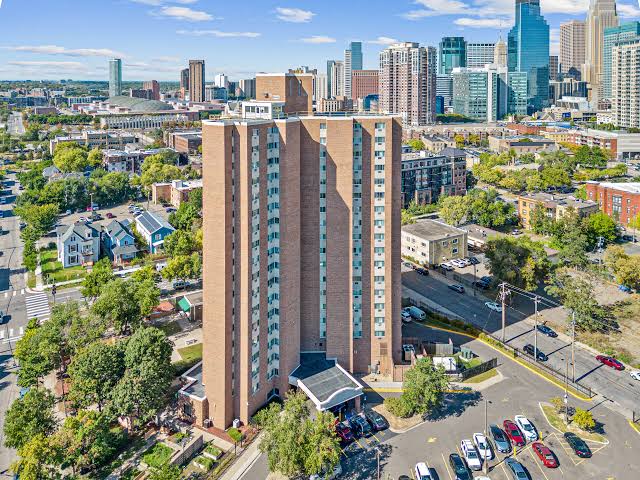
In the 1990s, residents at the high-rise at 1515 Park Avenue South in Minneapolis experienced a shifting community dynamic.
Originally built in 1967 for older adults and senior citizens, federal policy changes in the late 1980s and early 1990s expanded disability definitions to include younger adults with mental health and chemical dependency needs, diversifying the tenant base.
The building has very thin walls with a narrow staircase and was a building Pumpkin was at often.
There are gaps between the floor and bottom of the doors.
Without a doubt, people heard her murder and the moving of her body.
It’s still lucky her body was found when it was.
Sen. Paul Wellstone was scheduled to speak at the high-rise on Tuesday Sep, 3rd.
Rudy Boschwitz and Paul Wellstone were beginning a two month stretch in one of the most competitive U.S Senate contests in the nation at that time.
Boschwitz embarked on a four day “Achievement Tour” which will focus on individuals around the state who have succeeded through hard work in the private sector.
Wellstone plans for a “Poverty Tour” to focus attention on the need for public assistance and government programs.
His first stop was the high-rise Pumpkin was found in.
The Minneapolis fire department officials conducting a routine inspection of the stairwells, found her body at 9:05am between floors eight and nine.
Police restricted access to the ninth, 10th, 11th, and 12th floors for several hours Tuesday.
Who knows how long her body may have laid there before anyone reported.
“We were in the process of changing security guard companies and yes, there was a lapse.”
- Mary G. Dobbins
Deputy Executive director for Minneapolis Public Housing authority.
Officials admit a lapse but are unsure if it contributed directly to the crime.
Paul Wellstone cancelled his speech and made no further mention or call to action for justice for Pumpkin.
Think of how he could have helped this case receive media attention?
But that didn’t fit with a political agenda and the tour must go on. The high-rise had to look like a positive spot for the community – the discovery of her body disrupted that.
He had a senate spot to win – which he eventually did.


Let’s break down Pumpkin’s final weeks:
On August 19, 1996, Pumpkin left Kankakee to return to Minneapolis after staying there for two weeks. She received a call from a friend in Minnesota about her landlord putting her belongings out of her apartment.
She also mentioned owing someone money in Minnesota and expressed fear saying,
“If anything ever happened to me, a guy named [redacted] did it.”
On August 31st, Pumpkin spoke to her daughters and her mother, saying she would return to Kankakee by Sunday, September 1, for her mother’s surgery.
She did not leave MN with her daughter Dee as planned. Instead she chose to stay back to collect some debts that were owed to her.
But she definitely was planning on leaving to be there with her family. It’s something that she would not have missed.
Once September 1st came, Pumpkin was seen in the high-rise building. She was reportedly trying to collect money owed to her and selling drugs before leaving for Kankakee.
Witnesses reported seeing her in the building that day.
On September 2nd, Pumpkin was last seen alive around 2:00 PM by a resident of the high-rise. Pumpkin visited her apartment.
Pumpkin also was planning on taking the greyhound bus to Kankakee to be there for her mothers surgery.
Many witnesses were reportedly too intimidated and afraid to come forward at the time.
I’ll try to keep her story as clear as possible. There are lots of different people and missing information.
This is what her daughters were able to say conclusively:
Mary recalled Pumpkin expressing her desire to leave the high-rise and the street life.
She mentioned Pumpkin’s debts and her involvement with the Detroit Boys, who were quick to give her drugs to sell.
Pumpkin was afraid of retaliation and talked about her plans to leave for Kankakee with Mary.
Shortly before Pumpkin’s death, she had told her family that she had wanted to be buried in her favorite purple dress.
She knew both consciously and spiritually that something bad was going to happen to her.
Sarah recalled Pumpkin expressing fear and feeling unsafe before her death.
Described a possible setup involving crack users and Detroit Boys.
Mentioned details of how Pumpkin died and was left in the high-rise apartment.
Who was the man who Pumpkin warned about during a phone call on August 20th?
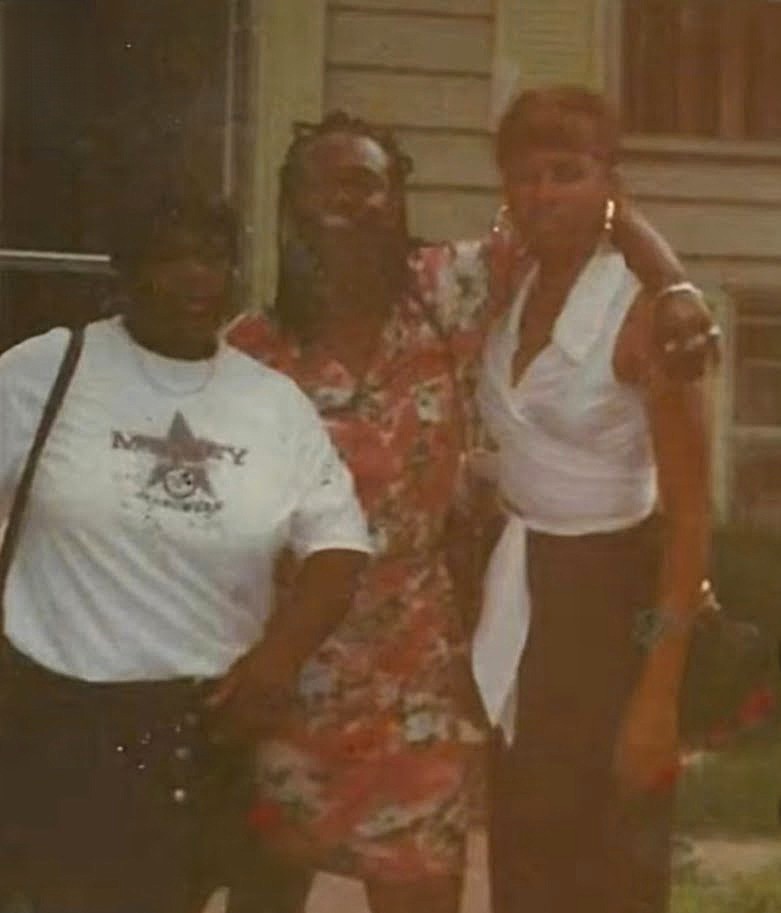
John Smith was identified as a possible suspect in the case.
Witnesses described him as light-skinned with a bumpy face and wearing baseball caps.
He was allegedly involved in drug activity and was mentioned in connection with Pumpkin’s debts and threats.
Mary mentioned that Pumpkin was involved with the Detroit Boys.
They are speculated to have been involved in orchestrating her murder.
Witnesses suggested they may have paid others to carry out the crime.
Who were the Detroit Boys?
“In early 1994, a street gang, self-described as “The Detroit Boys,” began to take over much of the crack cocaine trade in south Minneapolis, Minnesota.
The gang was known for a high level of violence and for its modus operandi of using duct tape to restrain and silence victims before assaulting or murdering them.
In addition to being violent, the Detroit Boys were a well-organized and highly profitable criminal venture.
At the height of its activity, the gang was importing at least one kilogram of powder cocaine per week from sources in Los Angeles, Oakland, and Houston, converting it to crack, and selling the drug through its network of street dealers and crack houses.”
Esther lived in the high-rise on the 8th floor and saw Pumpkin alive on the day of her murder.
She saw Cassandra alive on September 2, 1996, around 2:00 PM when Pumpkin visited her apartment.
Esther is the one to report that Kevin threw Pumpkin’s belongings away.
She also mentioned that Pumpkin was with Ruby the weekend before her murder.
Esther recalled that Pumpkin was owed money and was trying to collect it before leaving.
Ruby lived in the building and was reportedly with Pumpkin the weekend before her murder.
Witnesses described her as a crack user and possible accomplice since she was with Pumpkin shortly before her death.
Security footage from the high rise showed individuals in the elevator and the woman in the group, reportedly Ruby, is seen covering up the security camera with nail polish.
Jane mentioned Pumpkin’s frequent visits to specific apartments in the high-rise.
Recalled Pumpkin’s debts and concerns about her safety.
Jane believed Richard had more information about the case than he admitted.
Richard stated that he was one of Pumpkin’s really close friends at that time. Though witnesses say he had significant knowledge about the events surrounding Pumpkin’s murder.
He allegedly drove two individuals to Chicago the weekend of the murder and was not in the area. Richard stayed in close contact with Dee and D’undra in 2011 leading up to the vigil. He even spoke on the news at the vigil.
Once he learned that MPD was re-opening the case, shortly afterwards he moved from MN and never contacted the daughters again.
David claimed he found Cassandra dead in his apartment and moved her body to a stairwell.
He said he did not call the police due to outstanding warrants.
His role in the case remains unclear, but he is considered a potential accomplice or suspect.
Kevin, who lived on the 14th floor of the building, disposed of Pumpkin’s personal belongings after her murder.
Witnesses reported seeing him throw her belongings in the garbage.
He was cleared as a suspect by Minneapolis Police but listed as a witness.
He claimed he did not remember details about the murder and denied involvement.
Though, witnesses stated Pumpkin was in his apartment before her death, and her belongings were left there.
All of this and nothing done in thirty years.

“It happened again – a second year of homicides once unheard of in Minneapolis.
The same names have begun surfacing over and over as witnesses and suspects become victims in an unbroken string of street justice the city may be hard pressed to stop.”
What Minneapolis called the “drug trade business killings” propelled 1995 Minneapolis homicides at a record 97 homicides continued to spill over into 1996.
The same neighborhoods and families are being devastated again and again.
The gunfire is always closer to home.
This culture of crime has been developing in the inner city for a decade, even as Minneapolis city leaders were being accused of minimizing the problem.
Minneapolis police lost ground in the war on crack in 1995.
That year, Minneapolis closed out the year with a record high of 97 homicides.
Out of those homicides, 45 were drug related.
What the statistics don’t explain –
Why that violence didn’t cross over into St. Paul where the murder rate actually declined.
The police and the media began the linked for life narrative essentially blaming the victim and environment instead of the systemic failures that created the crime.
When victims and suspects link, it makes it harder to gather evidence from witnesses, protective relatives and multiple suspects.
It’s harder to bring the killers to justice and harder to keep the killings from happening. Their logic – live by the gun, you must expect to die that same way.
Pumpkin was Minneapolis homicide number 74 in 1996.
Watching your back and always expecting that a friend can turn into an enemy.
For Minneapolis, that meant more homicides.
Part of the reason for the influx of murders were due to the rise of drug disputes between dealers and dealers or dealers and customers.
But what it also turned into – some of the police officers believing the victims deserved it or caused their own demise which led to them not working the cases.
Either to prove a point or because they didn’t bother.
In a little section explaining their reason for influx of crime gives warning of a serial killer lurking in Theodore Wirth Park during the Summer of 1996.
The filth suspected victim of a brewing serial killer was found close to where Pumpkin was. Someone was strangling and burning women and leaving them in the park.
The serial killer added to the city’s soaring murder rate though not much focus was on that.
From the beginning, Minneapolis Police have said that the suspects are high rise residents and the Public Housing High-Rise.
About 90% of the residents were senior citizens.
Police still haven’t narrowed down their suspects?
They didn’t have to leave the high-rise to find their person.
Why did they never find them?
Police think she was dragged into a storage locker then down several flights of stairs to the ninth floor.
Was she carried into the storage locker by a group and then dragged out by one person later on?
Jerry Ayres who is a dear friend of this podcast and is featured throughout my Martha Bacon episodes has known Dee and D’Undra Willis for over 15 years now.
A chance meeting at a restaurant starting the deep journey into Pumpkin’s case.
Now in 2011, both girls now had kids of their own.
It brings them to tears thinking about how their mother only got to meet one grandchild.
They are frustrated that nothing has ever gone forward in her case.
Now both are closer to their mothers age when they lost her. Life for them had settled a little bit.
But the feeling of extreme grief and not knowing the true answers was still prominent in their lives.
They begin the official journey into researching and uncovering their own mothers homicide case.
Again, everything I have in this episode is from their research and their research alone.
Minneapolis Police have only released one redacted page of Pumpkin’s case file to her family.
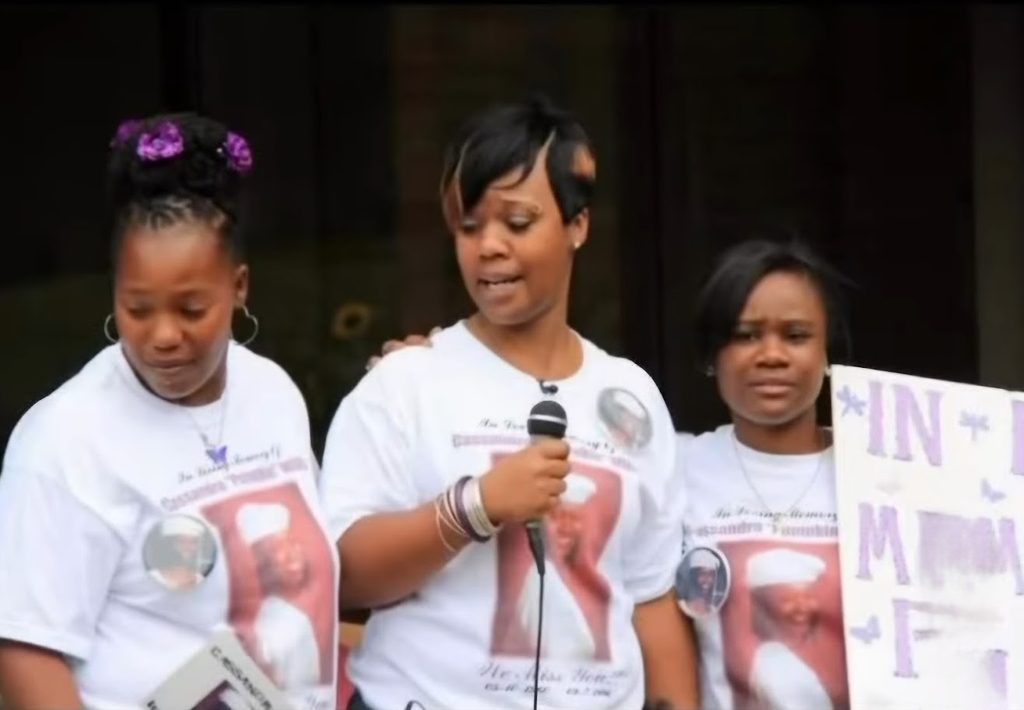
Jerry and his crew also joined in at this point to help in any way they could.
Jerry decided to go with Richard to the high rise so he could get an understanding of the building and story.
Richard said that he was in Illinois the weekend of her murder.
Pumpkin was found early on a Tuesday morning.
As Jerry and Richard walk and discuss the case, Richard keeps making comments that seem a little off.
He was extremely descriptive and descriptive in ways that I believe one would have to be there to describe.
The smell of the blood, where she was moved, the noises.
One line stood out to Jerry.
Richard said the sound of her head hitting the steel steps as she was dragged down the stairwell is something he could never get out of his head.
Jerry asked him,
“I thought you weren’t in Minnesota at this time?”
Richard said he was gone.
Jerry started to feel uneasy with him and the stories he was giving.
Richard claimed to be one of Pumpkin’s close friends.
up until this point in 2011.
Jerry had decided to ask him if Pumpkin were here right now, what would you want to tell her?
Richard said –
“I’d tell her to watch her back”
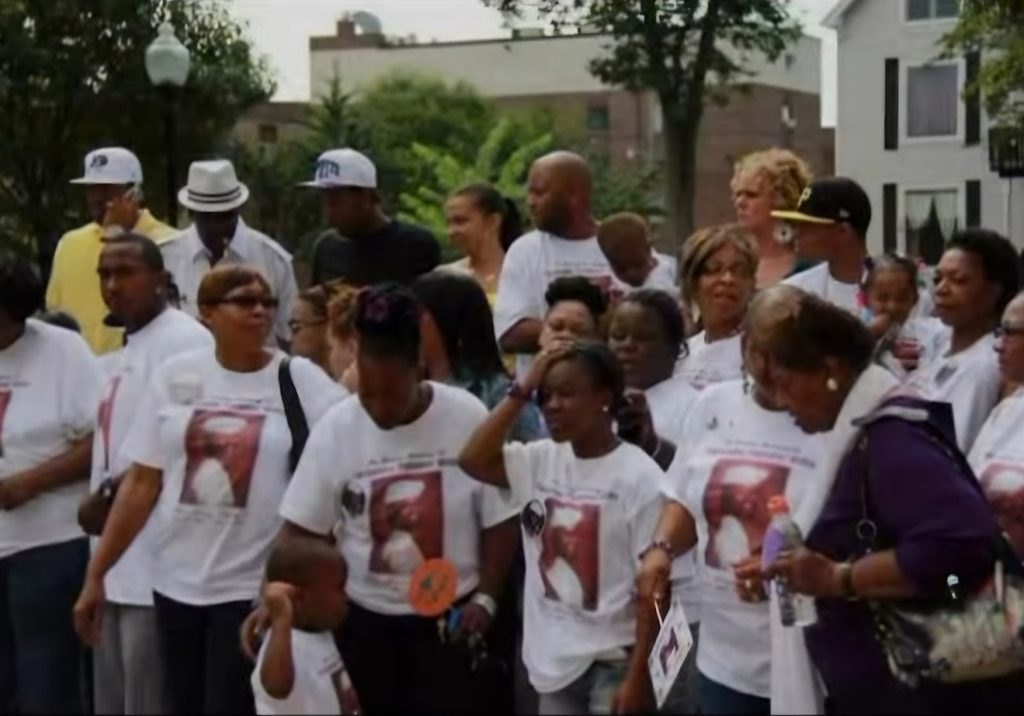
“We never had a chance to say goodbye. So this is the first time we have had a chance to speak out.” Dee Willis said.
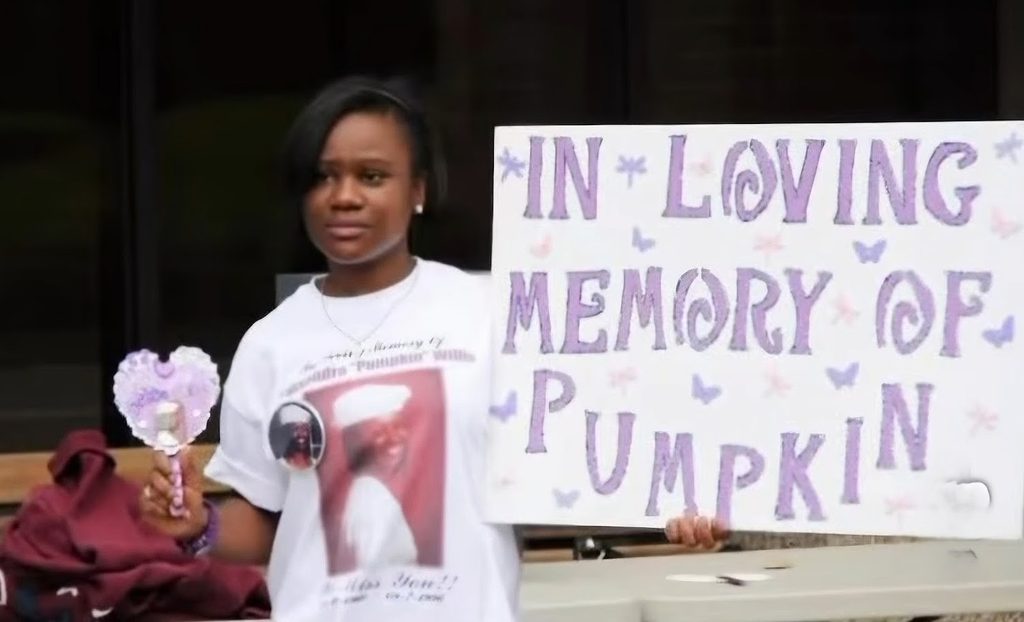
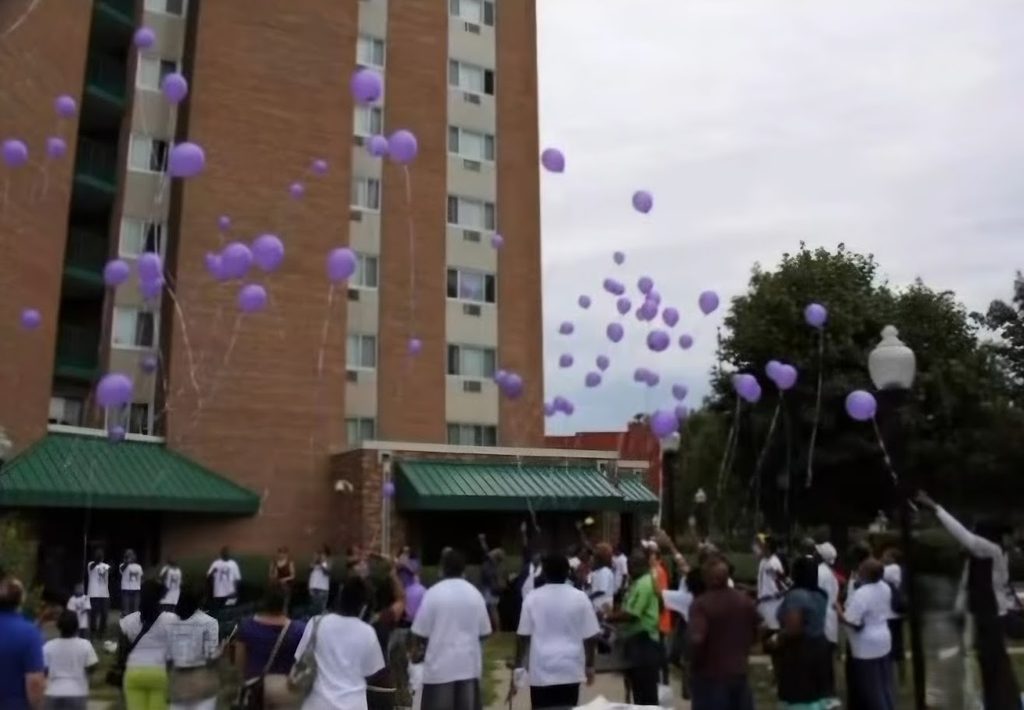
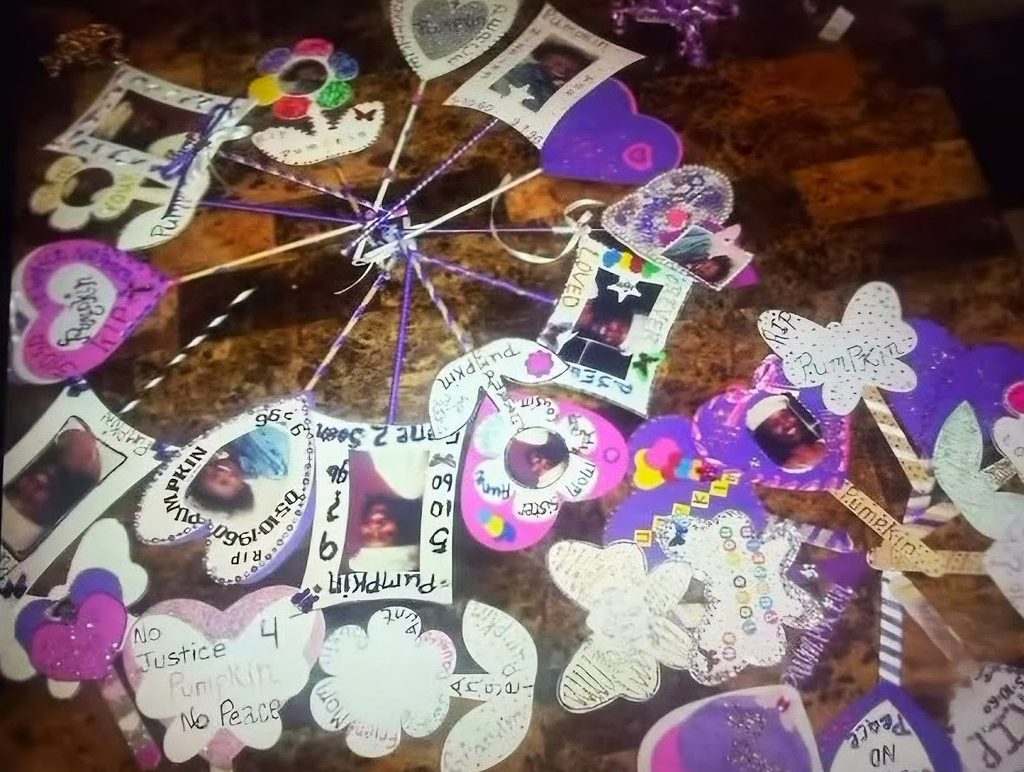
The sisters held their first official memorial vigil for their mother in Minneapolis on September 3rd, 2011.
The sisters say their mother always wished to be buried in purple. During the vigil outside the high rise, loved ones released 100 purple balloons and watched them rise into the sky above the high rise that has caused so much pain.
The sisters hope that after all these years they’ll find the answers that will finally set Pumpkin free.
In the years following her death, grief seems to be the only constant.
Life is still today interrupted by the trauma of that day.
Dee says to this day she drives around everywhere with her GPS on in case something were to ever happen to her. She wants records and documentation and answers.
For her children and family to not have to deal with what she was handed at only 19 years old.
Thirty years of building up evidence, losing your life trying to find that little bit of information that will make the police do something.
They never found that magical piece of information.
Minneapolis police say these cases are not dismissed. Spokesperson Sgt. William Palmer said the department has a full-time detective devoted to solving cold cases that date back to the 1970s.
This was said in 2011.
Today we know that Minneapolis doesn’t prioritize any case within their cold case unit.
The police always blame the victim – especially a black woman.
As heard throughout this series, many black women I have covered came to Minnesota in hopes for a new, better life.
Wendy Bozeman, even being praised by Minneapolis newspapers for her great parenting and being a positive community member was later discarded and treated less because she would come to struggle with addiction.
She also met the same fate as Pumpkin.
Even living quote on quote “perfect” lives like the police want when they need a perfect black victim to root for.
There has been no victim to fit their criteria.
Most victims I have covered so far struggled and led hard yet beautiful, vibrant lives.
“Thanks to the leadership of directly impacted community members and collaboration of cross-sector institutional stakeholders, Research in Action (RIA) published the nation’s first comprehensive state-level report on the epidemic of missing and murdered Black women and girls in 2022.
This led to the creation of the nation’s first Office of Missing and Murdered Black Women and Girls (MMBWG) and the introduction of federal legislation in 2023.
Beginning in 2025, RIA will lead a five-year project to create an index to more accurately assess the impact of structural and systemic violence on Black Women and Girls.”
- Research in Action
This is a really big deal and the first office of its kind in the nation.
Every state has their eyes on Minnesota and how this office moves and what they can conduct.
I think it says something that cases with black women and girls throughout the entire nation need a special office to re-examine those cases.
When I asked about Pumpkin’s favorite music, her daughters happily responded that she loved 2-Pac and her favorite songs were “I Ain’t Mad at Cha” and “I’m Catching Hell” by Natalie Cole.”
It’s not lost on me the personal feeling Pumpkin must’ve had connected to it.
The song’s theme is about change and transformation.
The main phrase “I Ain’t Mad at Cha” is directed at old friends. Even if they grew apart or took up new lifestyles such as leaving the streets for religion, he holds no hard feelings and wishes them well.
Instead of being bitter over losing those you love and personal transformation, Tupac expresses love, understanding and acceptance for those who choose a different path.
Everything that Pumpkin absolutely deserved to be treated with in life and death.
By her friends, reporters and the Minneapolis Police.
Pumpkin seemed like a very beautiful person to be around and I can only imagine the pain those who truly loved her feel. She had a huge heart and trusting those who later harmed her – I will never blame her for that.
Her case still deserves justice and to officially give some sort of closure to her daughters that have already taken on so much more than was necessary.
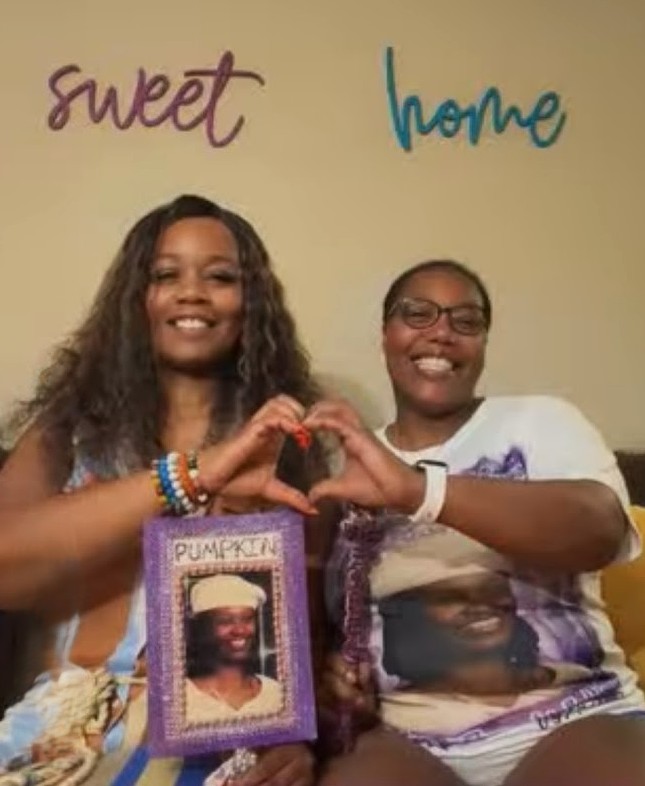
I want to thank Dee and D’Undra Willis for bringing me into their world, their home and allowing me to tell Pumpkin’s story.
It’s truly an honor to get to know them and their mother though I wish I could’ve known Pumpkin in life.
And of course thank you to Jerry for introducing us.
I hope this is a new beginning and new, proper people can handle the case for them – the way it should’ve been.
The family has organized vigils and reached out to the public and media to rekindle interest in the case, urging anyone with information to come forward.
Crime Stoppers of Minnesota is offering a reward of up to $1,000 for tips leading to an arrest and conviction.
They are determined to find closure and justice for their mother.
It is never too late to come forward. #NoJusticeForPumpkinNoPeace is a hag tag her daughters will forever use until the killer(s) are captured.

Leave a Reply